
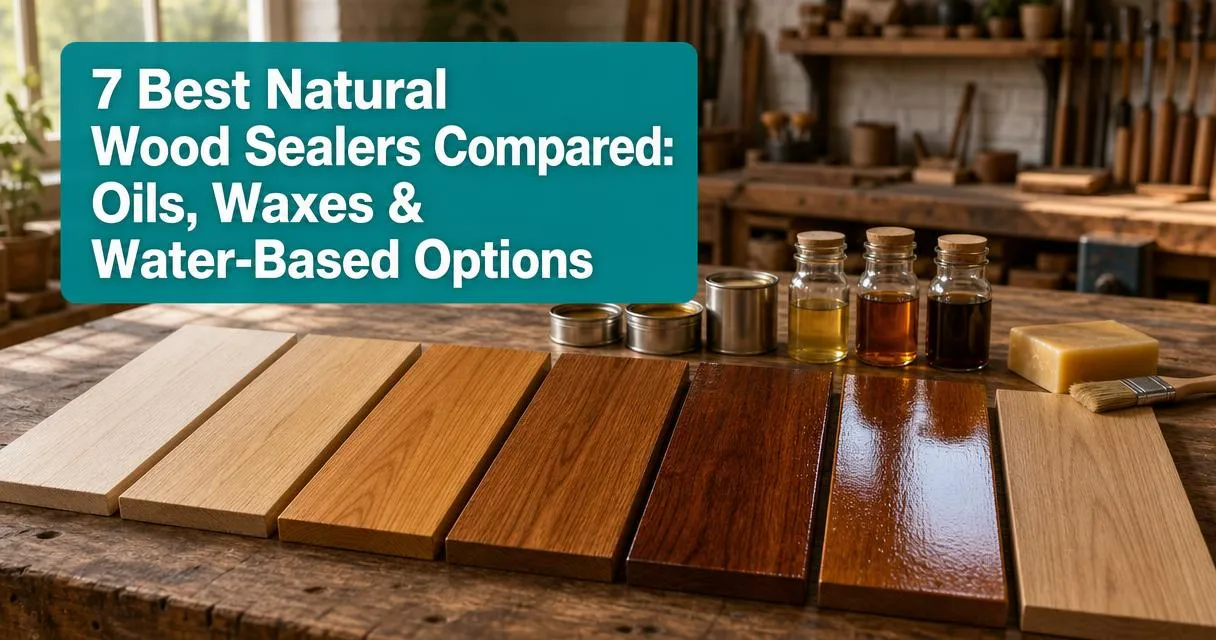
You want non-toxic wood protection, but the choice between oils, waxes, and water-based sealers feels impossible without a chemistry degree. There’s no universal best natural wood sealer because outdoor durability demands different chemistry than food-safe cutting boards or indoor furniture. We’ve compared seven natural sealer types across surface compatibility, water resistance, and reapplication schedules so you can match the right product to your actual project.
Key Takeaways
- Tung oil and linseed oil are the most durable natural oils for outdoor wood, with tung oil curing harder than other plant oils
- Wax sealers suit indoor furniture only because they offer minimal water resistance and break down under UV exposure
- Water-based non-toxic sealers offer the clearest finish and fastest dry time, preserving natural wood color without amber tint
- Hemp and walnut oils are food-safe options for garden beds and cutting boards, meeting FDA food-contact standards without synthetic additives
- Shellac resin works indoors but breaks down in UV and moisture, making it unsuitable for any exterior application
- Reapplication frequency varies from months to years depending on sealer type and exposure level
Quick Comparison: Best Natural Wood Sealer
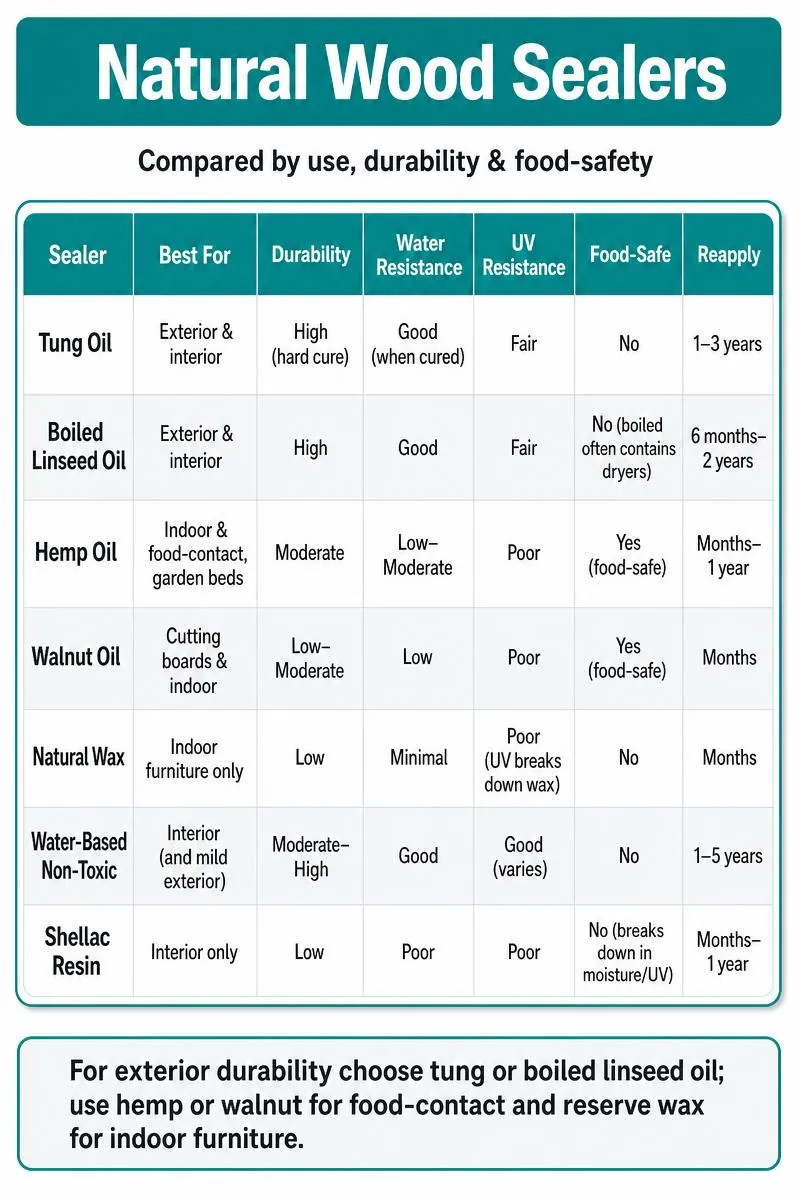
| Sealer | Best For | Durability | Water Resistance | Food-Safe | Reapply |
|---|---|---|---|---|---|
| Tung Oil | Exterior & interior | High (hard cure) | Good (when cured) | No | 1–3 years |
| Boiled Linseed Oil | Exterior & interior | High | Good | No (dryers often present) | 6 months–2 years |
| Hemp Oil | Indoor & food-contact; garden beds | Moderate | Low–Moderate | Yes | Months–1 year |
| Walnut Oil | Cutting boards & indoor | Low–Moderate | Low | Yes | Months |
| Natural Wax | Indoor furniture only | Low | Minimal | No | Months |
| Water-Based Non-Toxic | Interior (and mild exterior) | Moderate–High | Good | No | 1–5 years |
| Shellac Resin | Interior only | Low | Poor | No | Months–1 year |
Quick Comparison
- Tung oil: Best for outdoor furniture and decks. Resists water exceptionally well. Not food-safe unless pure. Reapply every 6-18 months. Amber finish deepens over time.
- Boiled linseed oil: Best for budget outdoor projects. Moderate water resistance. Not food-safe due to metal drying agents. Reapply every 6-12 months. Darkens wood significantly.
- Hemp oil: Best for indoor furniture and garden beds. Low water resistance. Food-safe. Reapply every 12-18 months indoors. Develops subtle amber tone.
- Walnut oil: Best for cutting boards and food-prep surfaces. Low water resistance. Food-safe. Reapply every 6-12 months. Changes wood color least.
- Natural wax: Best for decorative indoor pieces. Minimal water resistance. Food-safe when pure beeswax. Reapply every 6-12 months. Creates soft matte sheen.
- Water-based non-toxic: Best for interior trim and covered exteriors. Moderate to high water resistance. Usually food-safe (check label). Reapply every 2-4 years. Cures crystal clear.
- Shellac resin: Best for sealing wood odors indoors. Poor water resistance. Food-safe when dewaxed. Reapply every 1-2 years indoors. Seals in volatile compounds.
Related Reading
Practical options for protecting outdoor wood—covers penetrating water sealers, application tips, and longevity for…
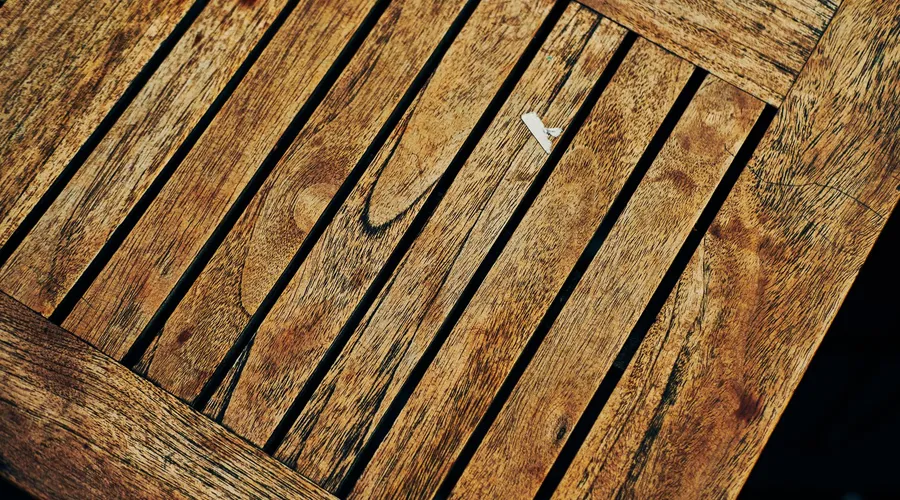
Natural Oil Finishes: Tung, Linseed, Hemp & Walnut
Plant-based oils penetrate wood fibers and harden through oxidation, building water resistance from within rather than sitting on the surface like film finishes.
1. Tung Oil
Tung oil cures harder than other oils, making it the top choice for outdoor furniture, decks, and high-traffic surfaces. It resists water better than linseed or other plant oils because its molecular structure polymerizes more completely. You’ll need three to five coats for full protection, with 24 hours between applications.
Pure tung oil takes longer to cure than blended products marketed as “tung oil finish,” which often contain synthetic drying agents.
2. Boiled Linseed Oil
Boiled linseed oil is the traditional Amish method for outdoor wood protection, valued for its economy and coverage on large surfaces like barn wood and fences. The “boiled” version includes metal drying agents that accelerate cure time significantly. It is not food-safe due to these additives.
It darkens wood more than tung oil and offers slightly less water resistance, but costs far less per gallon. Expect to reapply every 6-12 months on exposed exterior surfaces.
3. Hemp Oil
Hemp oil penetrates wood fibers easily and works well for indoor furniture, garden beds, and any wood surface where food contact matters. It’s FDA-approved for food contact when pure, dries faster than walnut oil, and doesn’t go rancid as quickly as some culinary oils.
The finish stays lighter than linseed oil but develops a subtle amber tone over months. Two to three coats provide adequate indoor protection.
4. Walnut Oil
Walnut oil offers the lightest color change of any natural oil, making it ideal when you want protection without altering wood tone. It’s food-safe and popular for cutting boards, salad bowls, and butcher blocks.
The tradeoff is shorter shelf life once opened. Walnut oil oxidizes faster in the bottle than hemp or tung oil. Use it within six months of opening and store in a cool, dark location.
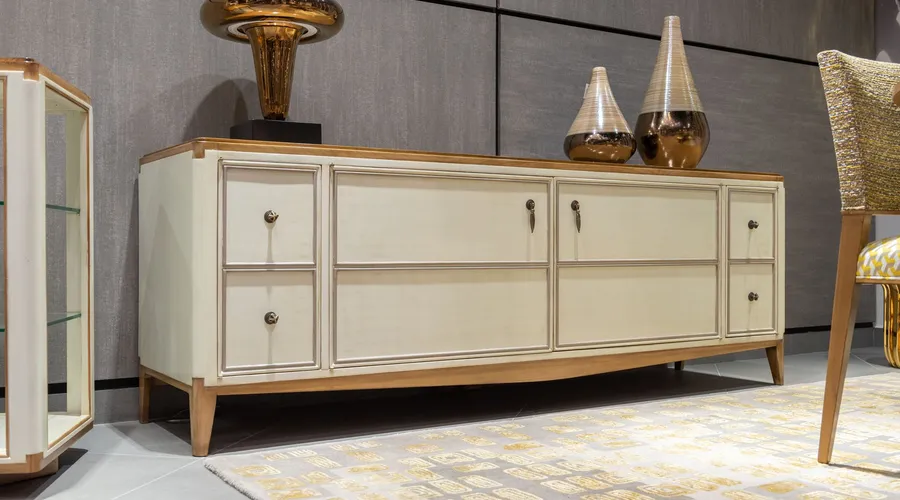
Natural Wax Wood Sealers
Wax sealers work only for indoor furniture and decorative pieces because they provide almost no water resistance and melt under direct sunlight.
Beeswax and carnauba blends apply easily by hand with a cloth or soft brush, requiring no specialized equipment or ventilation. You buff the surface after application to create a soft matte sheen that feels smooth without looking glossy. Pure beeswax is food-safe and won’t off-gas synthetic chemicals, making it suitable for children’s toys and kitchen items.
The protective layer sits entirely on the wood surface rather than penetrating like oils, so it wears away with regular contact. Reapply every 6-12 months on furniture that gets daily use, or annually on decorative pieces. Never use wax on exterior surfaces because rain washes it away and UV degrades it within weeks.
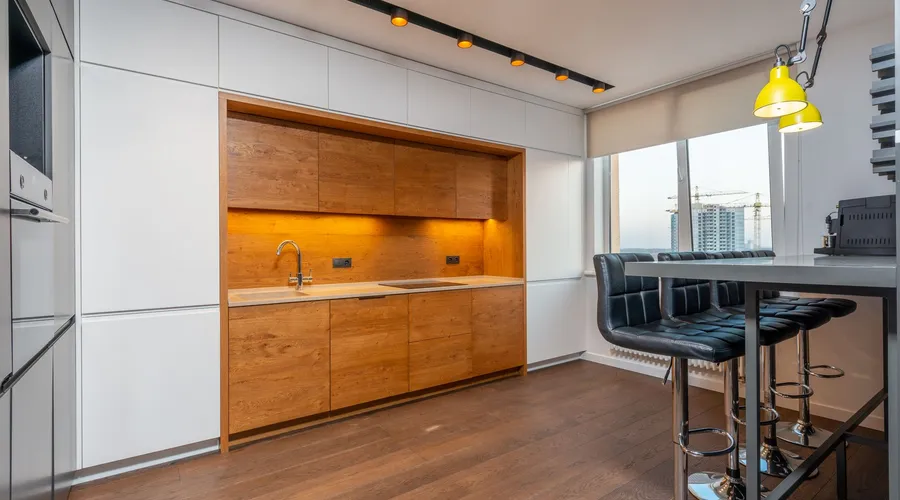
Clear Water-Based Non-Toxic Sealers
Zero-VOC water-based formulations suit chemically sensitive households and cure without amber tones.
These sealers dry in 1-2 hours compared to 24 hours for oils, letting you apply multiple coats in a single day. They form a thin protective film on the wood surface rather than penetrating deeply, similar to traditional polyurethane but without toxic solvents. The finish preserves the exact natural color because the resin cures clear without yellowing over time.
Water-based sealers work on both interior surfaces and some exterior applications like covered decks or porch furniture that doesn’t face direct rain. Exterior formulations include UV inhibitors to prevent breakdown in sunlight. Reapplication intervals stretch to 2-4 years depending on exposure, longer than any natural oil.
Check labels for food-safety certification if you’re sealing surfaces that contact food. Many zero-VOC formulations meet FDA standards when cured, but some use additives that aren’t approved for cutting boards or garden beds.
Related Reading
A straightforward comparison of sealing vs staining that helps you decide whether a natural sealer or a tinted stain…
Natural Shellac Resin
Shellac comes from lac beetle secretions dissolved in alcohol, making it one of the oldest natural wood finishes still in use.
Shellac dries in 15-30 minutes, faster than any other natural sealer. It seals in wood odors and volatile compounds like terpenes from pine or formaldehyde from engineered wood.
It works well as a first coat under other finishes or for sealing problematic woods indoors. The finish ranges from amber to deep orange depending on whether you use blonde, amber, or garnet grades.
Shellac fails outdoors because water dissolves the finish and UV light breaks down the resin structure within months. Even indoors, avoid it in bathrooms or anywhere moisture regularly contacts the surface. It works well for decorative indoor furniture, picture frames, and wood trim in climate-controlled rooms.
The alcohol evaporates quickly during application, leaving minimal odor compared to oil-based products. You can apply shellac with a brush or rag, building thin coats gradually rather than trying to achieve full coverage in one pass.
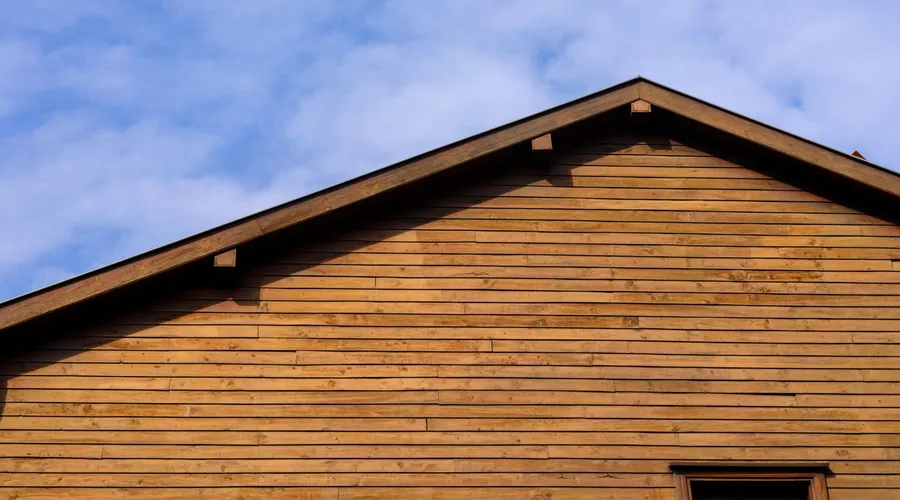
Exterior Natural Sealers: Stain & Sealer Combos
Penetrating oils combined with natural pigments provide better UV protection than clear sealers alone because pigments physically block UV wavelengths.
These products work best for decks, fences, and outdoor furniture exposed to full sun and rain. The oil component (usually tung or linseed) soaks into the wood and cures for water resistance. Meanwhile, iron oxide or plant-based pigments scatter UV light before it degrades wood lignin.
The result lasts 12-18 months in harsh exposure compared to 6-9 months for clear oil alone.
Natural pigment options include:
- Iron oxide provides earth tones in reds, browns, and yellows
- Plant-based tints come from sources like walnut hulls
- Mineral pigments like ochre offer additional natural color options
The color penetrates with the oil rather than sitting on the surface, so it doesn’t peel like film-forming stains.
Application requires more product than clear oil because pigments increase viscosity. Plan on two coats for even coverage, with 24-48 hours between applications depending on temperature and humidity.
Which Should You Choose?
- Indoor furniture: Hemp oil provides easy application and food-safe protection with moderate amber toning. Water-based sealers preserve the exact wood color if you want zero tint. Wax works for decorative pieces that don’t see heavy use or water exposure.
- Outdoor furniture and decks: Tung oil delivers the best water resistance and durability of any single-ingredient natural sealer. Upgrade to an exterior stain-sealer combo if the wood faces full sun, since pigments extend protection by months compared to clear oil.
- Garden beds and food-contact surfaces: Hemp oil and walnut oil both meet FDA food-contact standards when pure. Walnut oil changes wood color less but requires more frequent reapplication. Always verify the product label confirms food safety because some “natural” oils contain synthetic drying agents.
- Chemically sensitive households: Water-based zero-VOC sealers eliminate solvent exposure entirely and cure clear. They off-gas nothing after the water evaporates, unlike oils that continue releasing trace volatiles during the cure process.
- Budget-conscious large areas: Boiled linseed oil costs significantly less per gallon than pure tung oil. The coverage and protection justify the savings on fences, sheds, and other structures where perfect durability matters less than economy.
Related Reading
Recommendations and product-tested tips specifically for protecting redwood decks from UV and moisture while keeping a…
FAQs
What do the Amish use to preserve wood?
Traditionally boiled linseed oil, sometimes mixed with beeswax for a hand-rubbed finish on outdoor furniture and structures. The combination resists water at low cost and uses materials available for centuries before synthetic sealers existed.
What is the best natural finish for wood?
“Best” depends entirely on application: tung oil for outdoor durability, hemp oil for indoor food safety. There’s no overlap in requirements between protecting a deck from rain and sealing a cutting board.
What is a non-toxic clear coat for wood?
Zero-VOC water-based acrylic sealers cure the clearest because they don’t amber over time like oils. Shellac works indoors if you accept an amber to orange tint. All natural oils add some color, with walnut being the lightest.
How do you waterproof wood naturally?
Multiple coats of tung oil provide the best natural water resistance, typically three to five applications with complete drying between coats. The oil polymerizes inside wood fibers to repel water without forming a surface film that can crack or peel.
Is natural wood sealer safe for raised garden beds?
Hemp oil, walnut oil, and water-based sealers labeled food-contact-safe all work for garden beds. Avoid boiled linseed oil because it contains metal drying agents, and skip tung oil unless the label confirms it’s food-safe.
How long do natural wood sealers last outdoors?
Clear oils last 6-18 months depending on sun and rain exposure. Water-based exterior formulations with UV inhibitors extend to 2-4 years. Pigmented stain-sealer combos fall in between at 12-24 months because the color blocks some UV damage.
Final Verdict
Match your sealer to surface exposure and use rather than searching for one product that handles everything. Tung oil gives maximum water resistance outdoors from a plant-based finish. Hemp oil protects without synthetic additives for cutting boards, garden beds, and furniture.
Water-based zero-VOC sealers win when preserving exact wood color matters more than penetrating protection. Start by testing your chosen sealer on a scrap piece or hidden area to confirm the color shift and finish sheen match your expectations. Natural oils darken wood more than expected, and there’s no reversing the tone once you’ve applied three coats to your entire project.
If you’re in the Fish Hawk, Florida metro area and need help sealing or refinishing outdoor wood, our team handles deck and furniture sealing projects year-round. See our deck refinishing services for recommendations on non-toxic sealers that stand up to Florida humidity and UV exposure. Call 813-860-8661 for a free estimate on your wood sealing project.