
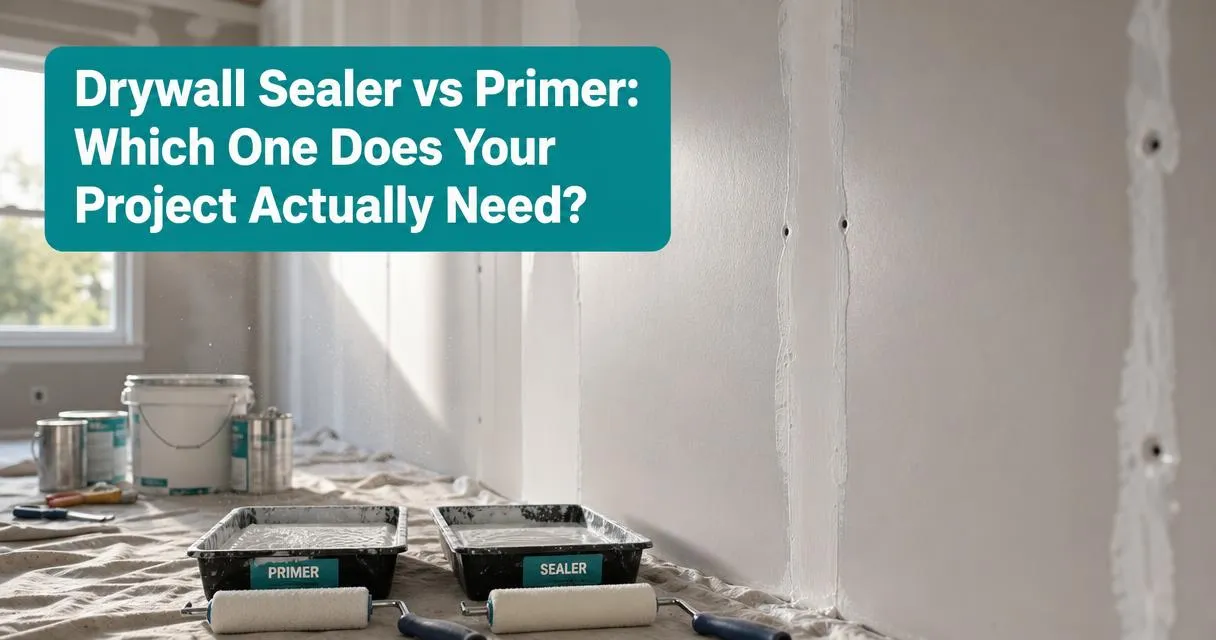
You can’t just grab any can labeled for drywall and expect good results. A primer prepares bare surfaces for paint adhesion, while a sealer blocks stains and moisture from bleeding through. Some products do both, but the wrong choice means repainting.
Key Takeaways
- Primer and sealer serve different jobs, but some combo products handle both in one coat
- New bare drywall almost always needs a PVA primer to prevent flashing on new drywall
- Sealers are for problem surfaces like water stains, smoke damage, persistent odors, or areas where paint won’t stick without help
- Bathroom and kitchen drywall in high-humidity areas often need both a moisture-blocking sealer and a primer to ensure adhesion in humid areas
- The cost difference between primer and sealer is minimal per gallon, but wrong choice means redoing work
Related Reading
A comparison of limewash and plaster finishes and when each is appropriate for interior walls.
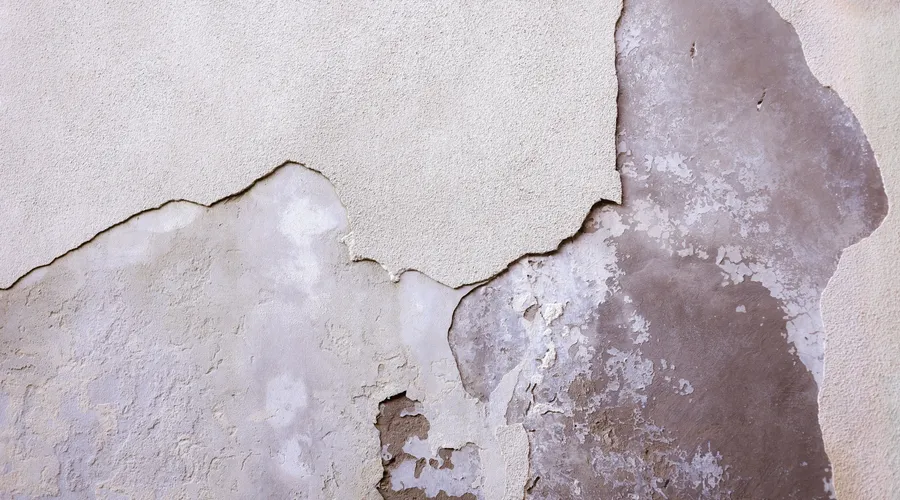
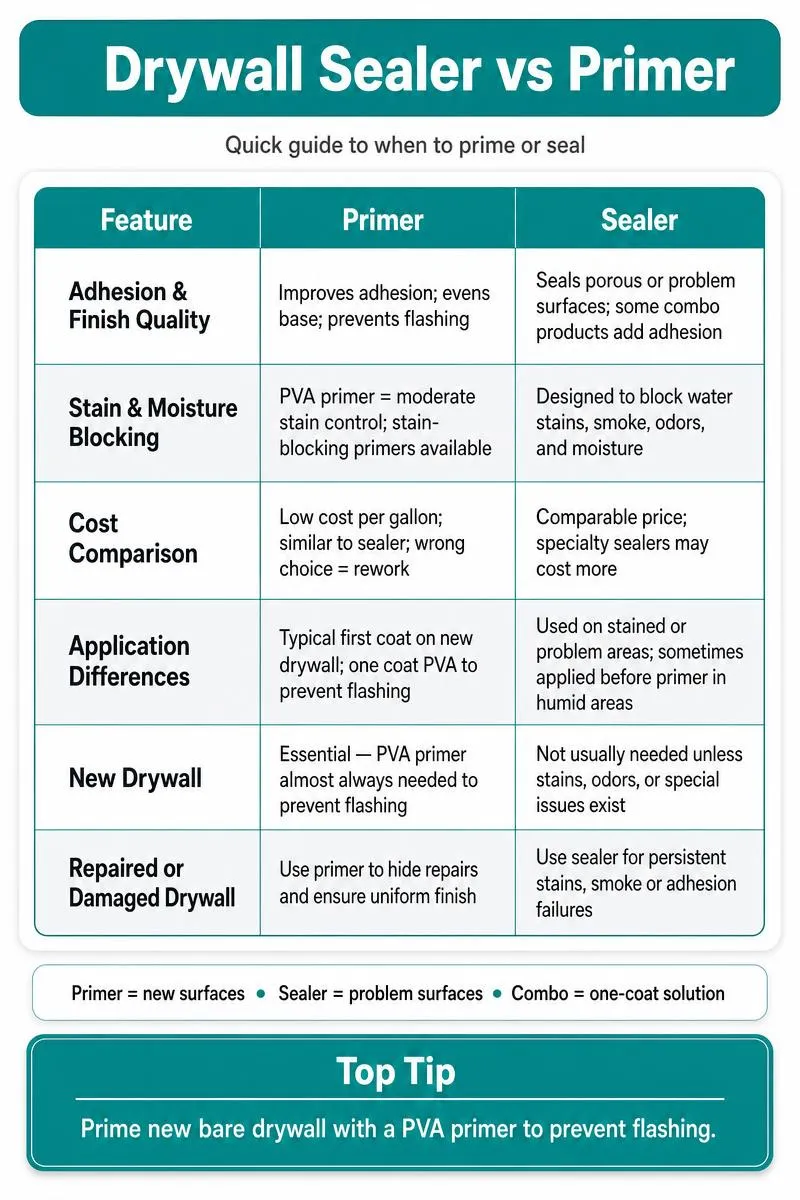
Drywall Sealer Vs Primer Side-by-Side
| Feature | Primer | Sealer |
|---|---|---|
| Adhesion & Finish Quality | Improves adhesion; evens base; prevents flashing | Seals porous or problem surfaces; some combo products add adhesion |
| Stain & Moisture Blocking | PVA primer = moderate stain control; stain-blocking primers available | Designed to block water stains, smoke, odors, and moisture |
| Cost Comparison | Low cost per gallon; similar to sealer; wrong choice = rework | Comparable price; specialty sealers may cost more |
| Application Differences | Typical first coat on new drywall; one coat PVA to prevent flashing | Used on stained or problem areas; sometimes applied before primer in humid areas |
| New Drywall | Essential — PVA primer almost always needed to prevent flashing | Not usually needed unless stains, odors, or special issues exist |
| Repaired or Damaged Drywall | Use primer to hide repairs and ensure uniform finish | Use sealer for persistent stains, smoke or adhesion failures |
Quick Comparison
- Purpose: Primer creates uniform adhesion and finish quality, while sealer blocks stains from bleeding through
- Best for: Primer works on new bare drywall and freshly skim-coated walls, while sealer handles damaged, stained, or moisture-affected drywall
- Product examples: PVA primer suits new drywall, while stain-blocking sealer primers like Zinsser B-I-N or Kilz handle problem surfaces
- Typical cost: Both products run $20 to $40 per gallon, with oil-based and shellac-based sealers sometimes costing $5 to $10 more
- Can you skip it? Primer is rarely skippable on bare drywall, while sealer can be skipped unless you face stains, moisture, or adhesion problems
What Is a Drywall Primer?
A drywall primer is a coating that creates a uniform surface so your topcoat adheres evenly and looks consistent. It evens out the difference in absorption between porous drywall paper and less-porous joint compound. This prevents flashing at taped seams.
PVA primers are the standard choice for new bare drywall and skim-coated walls. They’re designed specifically to seal paper for latex paint. You’ll also see all-purpose drywall primers that work on repaired joints and patched areas.
Primers excel at preventing uneven sheen and giving your paint something to grip. They won’t block water stains, smoke damage, or odors. If you have a clean, undamaged surface, primer does everything you need.
If you have stains or moisture issues, primer alone will let stains bleed through.
What Is a Drywall Sealer?
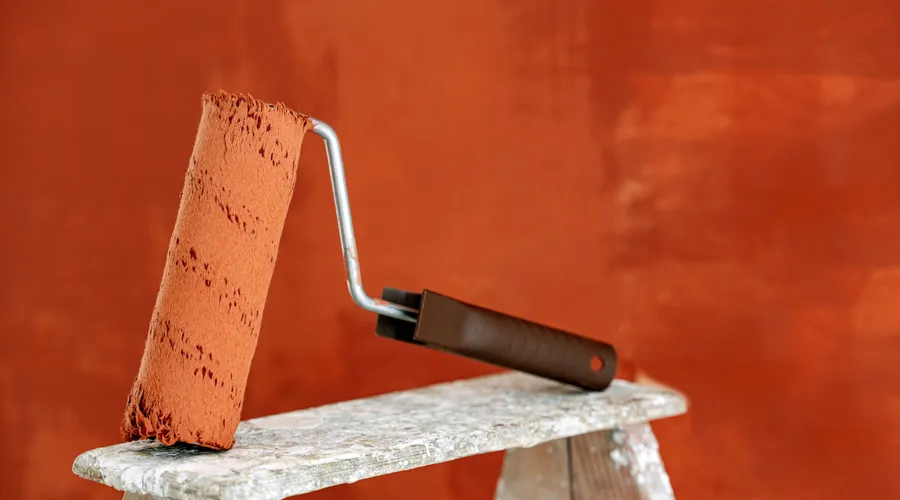
A drywall sealer is a coating that blocks moisture, stains, odors, and smoke from bleeding through your paint. It creates a barrier on problem surfaces so water rings, nicotine stains, or grease marks don’t reappear after you paint.
Sealers grip problem surfaces that paint won’t stick to on its own, like water-damaged drywall, smoke-stained ceilings, and bathroom walls with humidity exposure. They lock down bleed-through and create a moisture barrier before you apply primer or paint.
Common sealer types include:
- Oil-based stain blockers that lock down tough tannin stains but require mineral spirits for cleanup
- Shellac-based products like Zinsser B-I-N that block severe stains fast but need denatured alcohol for cleanup
- Water-based sealer-primer hybrids that are easier to work with but need multiple coats on stains
Most sealers don’t prime for paint adhesion as effectively as dedicated primers. You often need to apply a topcoat primer after sealing. Combo sealer-primer products handle both jobs at once when staining is moderate.
Related Reading
A practical guide to primers and paint systems that block and cover smoke stains on drywall and interior walls.
Head-to-Head
Primer and sealer solve different problems, so the right choice depends entirely on your surface condition. Here’s how they compare across the factors that matter most.
1. Adhesion & Finish Quality
Primer wins for paint bonding on bare drywall. PVA primers are engineered to seal porous drywall paper and create a uniform surface. They give latex paint grip and prevent the topcoat from soaking in unevenly.
Sealers focus on blocking stains and moisture, not optimizing adhesion. If you use only a sealer on clean new drywall, you might see uneven sheen or poor paint flow. The sealer doesn’t address porosity differences.
2. Stain & Moisture Blocking
Sealer wins decisively when you have water stains, smoke damage, grease marks, or odor problems. Primer alone won’t stop bleed-through. You’ll paint over a water stain with primer and watch it reappear within days.
Oil-based and shellac-based sealers lock down tannin stains, nicotine, rust marks, and pet odors. Water-based sealer-primers handle moderate staining and offer some moisture resistance. They can’t match oil or shellac on severe damage.
3. Cost Comparison
Both primers and sealers cost $20 to $40 per gallon in most cases. Oil-based and shellac-based sealers sometimes run $5 to $10 higher because of their stronger blocking formulation. Combo sealer-primer products land in the middle of that range.
The real cost difference shows up when you use the wrong product. If you prime over a water stain without sealing it first, you’ll buy more paint after bleed-through.
4. Application Differences
Both apply with the same tools: brush, roller, or sprayer. Coverage rates are similar at around 300 to 400 square feet per gallon. Oil-based and shellac-based sealers dry faster than water-based primers, often in under an hour, but they smell stronger and require solvent cleanup.
Sealers may need a second coat on heavy stains like smoke damage or deep water marks. Primers typically cover in one coat on clean drywall.
5. New Drywall
PVA primer is the correct choice for new drywall. New drywall has no stains or moisture issues, so a sealer adds no benefit. PVA primer seals the paper face, evens out suction, and prevents flashing for uniform topcoat.
Using a sealer on new drywall is overkill and may not prep the surface as well for paint adhesion. Save the sealer for problem surfaces.
6. Repaired or Damaged Drywall
Apply sealer first if you have stains, then follow with primer for adhesion. Water damage, smoke residue, or grease marks need a stain-blocking sealer to prevent bleed-through before painting. Once the sealer dries, a coat of primer ensures your paint adheres evenly.
If you patched small nail holes or repaired a crack without any staining, you can skip the sealer. Just spot-prime with PVA primer.
Which Should You Choose?
- New construction or fresh drywall: Use a PVA drywall primer. The surface is clean and bare, so you only need adhesion prep and porosity control. A sealer won’t help on clean drywall.
- Water-stained ceiling or smoke-damaged wall: Apply a stain-blocking sealer like Zinsser B-I-N or an oil-based blocker, then follow with primer before painting. The sealer stops bleed-through first.
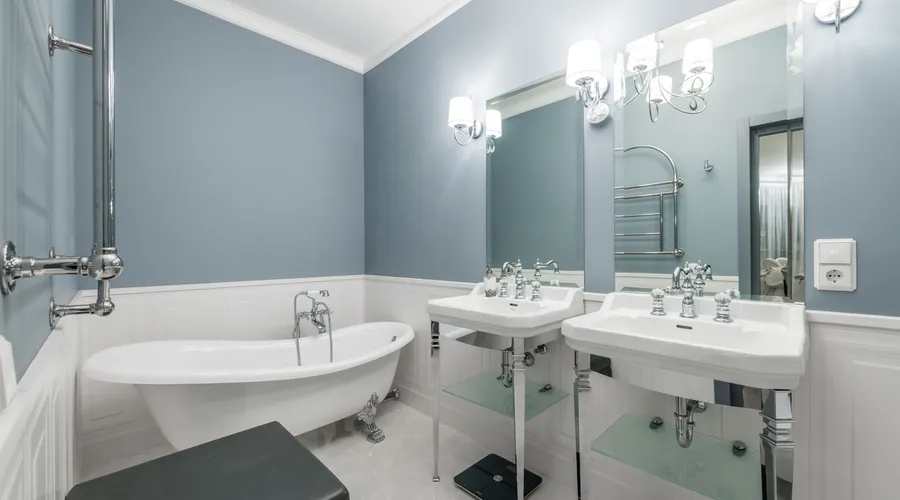
- Bathroom or high-humidity area: Choose a combo sealer-primer product rated for moisture resistance. These handle blocking and adhesion together and hold up better in humid conditions than standard PVA primer.
- Patched drywall with small repairs: Spot-prime the patched areas with PVA primer. If patches have no staining and the wall is already painted, you don’t need a sealer.
- Drywall over grease or ink stains: Use a shellac-based sealer like Zinsser B-I-N on the stain, then prime the entire surface. Shellac blocks stubborn stains effectively.
FAQs
Is drywall sealer necessary?
Sealer is necessary when you have stains, water damage, smoke residue, persistent odors, or adhesion problems. On clean new drywall, it’s unnecessary because a primer handles everything you need. If you skip sealer on a stained surface, stains will bleed through.
Is sealer better than primer?
Neither is better. They do different jobs. Sealer blocks stains and moisture, while primer ensures paint adhesion. On new drywall, primer is the right tool. On problem surfaces, sealer is essential and primer may still be needed afterward.
Is drywall sealer the same as primer?
Not usually, but some combo products do both. A dedicated primer focuses on adhesion and uniform finish. A dedicated sealer focuses on blocking stain bleed-through. Sealer-primer hybrids handle both jobs at once but may not perform as well as using each product separately on severe problems.
Do I need both primer and sealer?
Yes, if you’re dealing with stains, smoke, water damage, or odors on drywall. Seal first to block the problem, then prime to prep for paint. On clean new drywall, you only need primer. On problem surfaces, skipping either step fails.
Can I use sealer as a primer on new drywall?
You can, but it’s not ideal. Sealers don’t even out porosity differences as effectively as PVA primer. You might see flashing or uneven sheen where taped joints meet the paper face. Stick with PVA primer for new drywall.
What’s the difference between PVA primer and a sealer primer?
PVA primer seals the porous paper face of new drywall and prevents suction differences causing flashing. Sealer primer blocks stains, moisture, and odors while also prepping for paint. Use PVA on clean bare drywall. Use sealer primer on problem surfaces or in high-humidity areas.
Related Reading
Recommendations for durable interior paints; useful when deciding on paint types and finishes for interior projects…
Final Verdict
If you’re working with new bare drywall, use a PVA primer and skip the sealer. The surface is clean, and primer does everything you need to prevent flashing and ensure adhesion. Sealer adds no benefit and costs you time.
If you’re dealing with water stains, smoke damage, grease marks, or high humidity, apply a stain-blocking sealer first and follow with primer. Combo sealer-primer products work well in bathrooms and kitchens where you need both moisture blocking and adhesion prep. On severe stains, use an oil-based or shellac-based sealer before priming.
Identify your surface condition before you buy any product. Walk your walls and ceiling, look for stains or damage, and choose based on what you see, not what’s cheapest or already in your garage.
If you’re tackling drywall in your Fish Hawk home and unsure whether a drywall sealer or a primer is the right choice, we can help you decide and handle the prep and painting for you. See details on our interior painting services in Fish Hawk, then call 813-860-8661 to schedule a quick consultation before you start rolling. We serve the Fish Hawk metro area and are happy to answer any project-specific questions.